The Role of AI in Shaping Business Operations Over the Next Decade
Introduction
In recent years, artificial intelligence (AI) has rapidly evolved from a specialised technology into a pivotal driver of innovation across various industries. As we look ahead to the next decade, AI is set to play an even more transformative role in how businesses operate, particularly in the realms of process optimisation and workflow automation. For companies striving to remain competitive, understanding and leveraging AI will be crucial.
1. AI as a Catalyst for Process Optimisation
Predictive Analytics: AI-driven predictive analytics will enable businesses to anticipate market trends, customer behaviours, and operational bottlenecks. By harnessing these insights, companies can make informed decisions that minimise risks and capitalise on emerging opportunities.
Continuous Improvement: AI systems can facilitate continuous process improvement by learning from historical data and adapting to new information in real-time. This means that processes can be automatically adjusted and optimised without the need for constant human oversight.
2. Revolutionising Workflow Automation
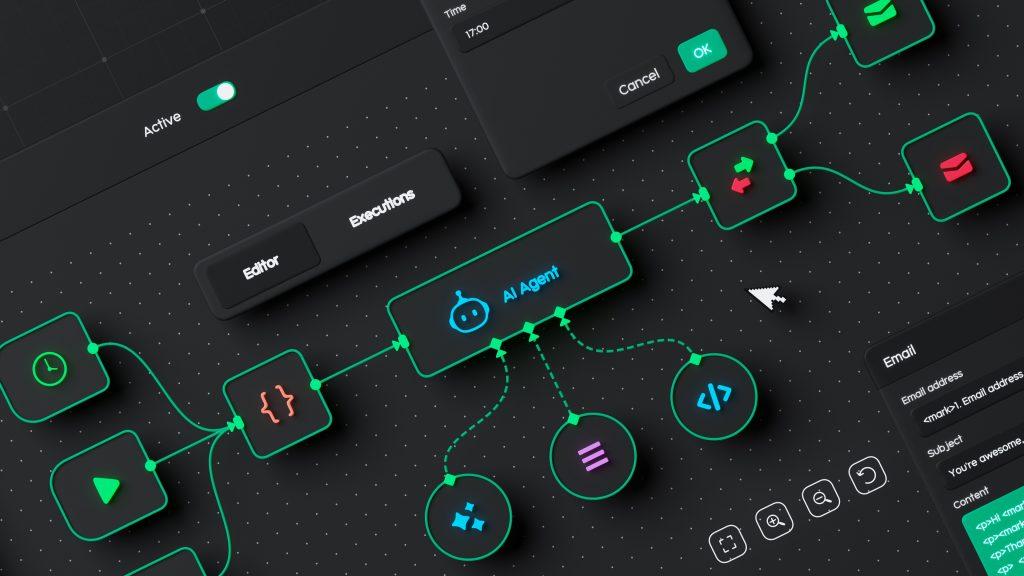
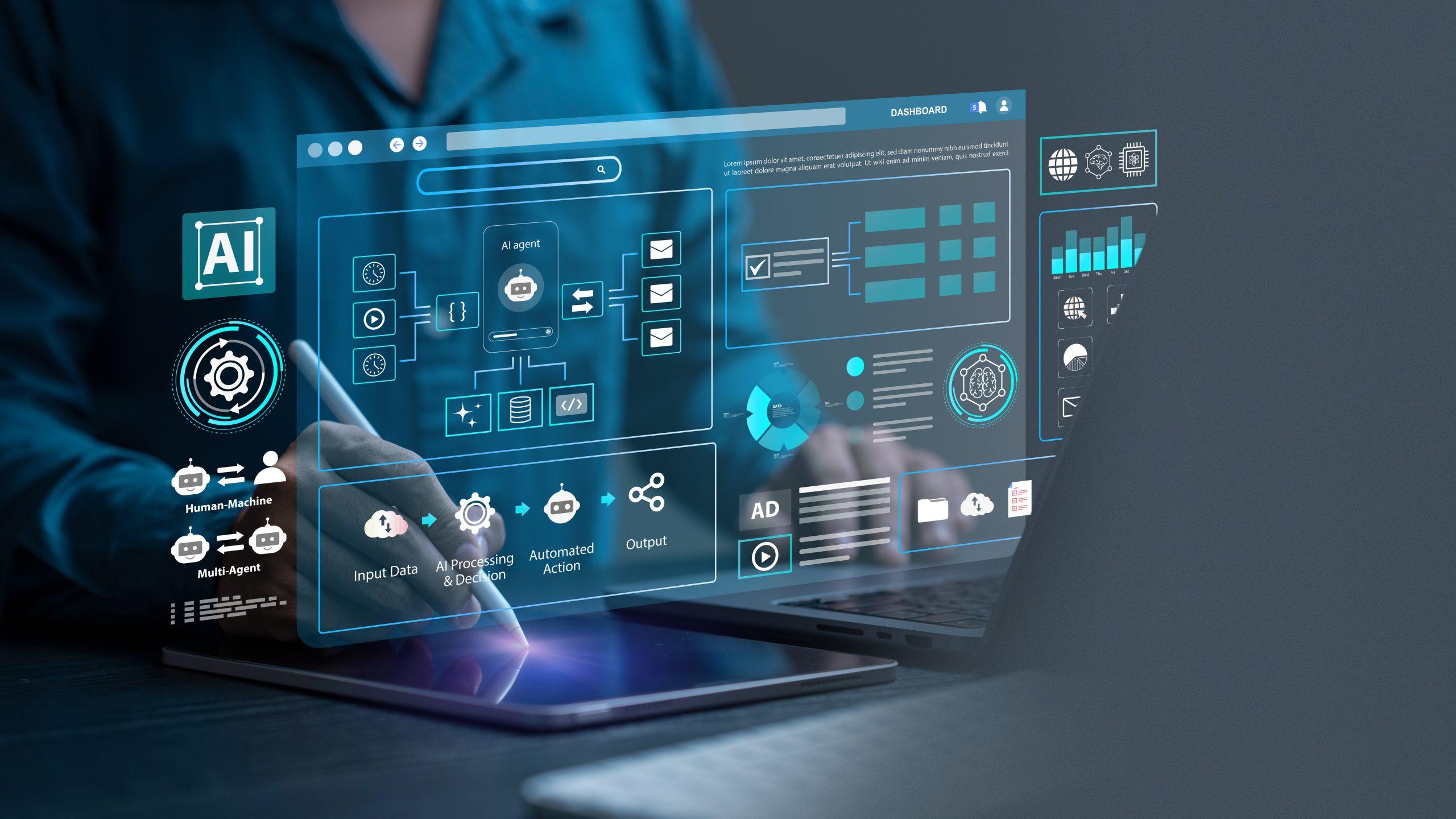
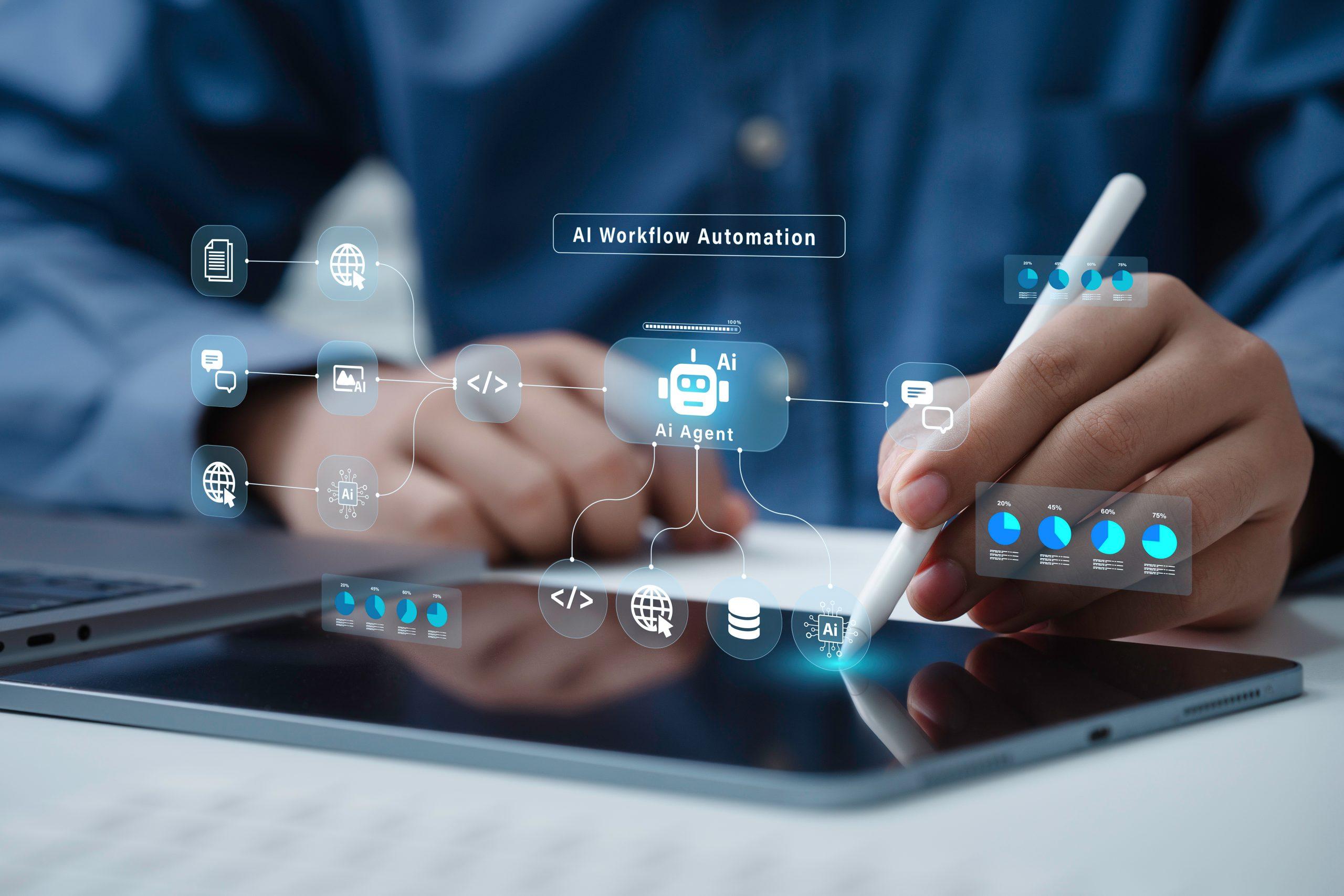
Intelligent Automation: AI-powered tools can handle complex workflows that involve decision-making and problem-solving, which were traditionally beyond the reach of basic automation. For instance, AI can be used to automate customer support processes, such as responding to enquiries or resolving issues, by understanding and interpreting natural language.
Dynamic Workflows: Unlike static workflows, which follow a predefined set of rules, AI enables the creation of dynamic workflows that can adapt to new information and changing circumstances. This flexibility allows businesses to respond more effectively to unexpected challenges or opportunities.
3. Enhancing Decision-Making
Data-Driven Decisions: AI allows businesses to base their decisions on data-driven insights rather than intuition or guesswork. This leads to more accurate and reliable outcomes, whether in financial forecasting, inventory management, or strategic planning.
Augmented Intelligence: Rather than replacing human decision-makers, AI will augment their capabilities by providing them with the tools and information needed to make better decisions. This collaborative approach ensures that businesses can leverage the strengths of both AI and human expertise.
4. The Future of Work: Collaboration Between Humans and AI
Human-Machine Collaboration: AI will take over repetitive, mundane tasks, allowing employees to focus on more strategic and creative activities. This shift will require a rethinking of job roles and the development of new skills to work alongside AI.
Reskilling and Upskilling: Businesses will need to invest in reskilling and upskilling their workforce to ensure that employees can effectively collaborate with AI systems. This will not only improve productivity but also help to mitigate the potential displacement of jobs due to automation.
5. Ethical Considerations and Challenges
Data Privacy: With AI systems relying on vast amounts of data, ensuring that this data is handled responsibly and securely will be paramount. Businesses must adopt robust data governance frameworks to protect customer information and maintain trust.
Algorithmic Bias: AI systems are only as good as the data they are trained on. If the data contains biases, these can be reflected in the AI’s decisions. Businesses must take steps to identify and mitigate bias in their AI systems to ensure fair and equitable outcomes.
Transparency: As AI systems become more complex, understanding how they make decisions can be challenging. Businesses must strive for transparency in their AI processes to build trust and accountability.
6. Conclusion: Preparing for an AI-Driven Future
The next decade will undoubtedly see AI playing an increasingly central role in business operations. For companies specialising in process optimisation and workflow automation, AI presents a unique opportunity to deliver even greater value to their clients. By embracing AI and adapting to its advancements, businesses can secure their place in a future defined by innovation and efficiency.
As AI continues to evolve and shape the future of business operations, it’s essential to stay ahead of the curve. If you’re interested in exploring how AI can enhance your process optimisation and workflow automation, we’re here to help. Our team of experts can provide